When is alcohol withdrawal dangerous?
Why alcohol withdrawal can become life-threatening, which warning signs need emergency care, and why home detox can be risky.

- How dangerous alcohol withdrawal gets has more than one possible explanation, so context and change over time matter.
- An article can name patterns, but it can’t diagnose you or replace a medical and psychiatric evaluation.
- Practical support works best when it protects safety, choice, sleep, and your connection to qualified care.
- Immediate danger, an inability to stay safe, or rapidly changing medical or psychiatric symptoms needs urgent help.
You decide on Sunday night that you’re done. By Monday morning your hands are shaking, your shirt is soaked through, and your heart appears to have taken a second job without telling you.
It’s tempting to read all of that as proof you should just tough it out. Alcohol withdrawal isn’t a character exam. In some people it can progress to seizures, hallucinations, severe confusion, and life-threatening instability.
Do not detox alone if withdrawal may be possible. Call 911 for a seizure, hallucinations, severe confusion, collapse, or unstable breathing. A medical clinician should assess risk before a sudden stop after prolonged heavy drinking.
Risk depends on the pattern and your history
Symptoms may include tremor, sweating, nausea, anxiety, insomnia, a racing heart, and just feeling deeply unwell. Severe withdrawal can involve seizures or delirium. What tips the odds is the amount and duration of use, prior withdrawals or seizures, medical illness, other sedatives, pregnancy, age, and who’s around to help.
There’s no online calculator that makes unsupervised detox safe for everybody, and I’d be doing you a disservice if I implied otherwise. Symptoms can get worse after they start, and drinking again to shut them down isn’t a medical plan. It’s a delay with interest.
The useful question is what the drinking is doing to your life
People tend to picture addiction as a dramatic identity you either have or don’t. Clinicians look for patterns instead: using more or longer than intended, repeated attempts to cut down, craving, time lost to use or recovery, risky use, continued use despite harm, tolerance, withdrawal, and the roles and relationships that quietly got displaced. Severity lives on a spectrum, not a switch.
A rough month, one regretted night, or genuinely enjoying a drink doesn’t establish a disorder. A respectable job doesn’t rule one out either. Consequences hide beautifully behind good grades, polished meetings, and a group chat that files every blackout under “legendary.” An evaluation asks what changed, what it costs, and how much choice you still have.
Substance use also overlaps with depression, anxiety, trauma, attention problems, chronic pain, sleep disorders, and medical illness. Sometimes people are solving a real problem with a tool that manufactures a second one. Treating both sides usually works better than demanding perfect abstinence before anyone’s allowed to discuss anything else.
Medical help is treatment, not a failure to quit correctly
A clinician can assess whether outpatient management is appropriate or whether monitored care is safer. They can handle fluids, nutrition, medications, co-occurring illness, and what the plan looks like once withdrawal is over.
And withdrawal management isn’t the same thing as ongoing alcohol treatment. Link the immediate safety plan to follow-up for cravings, relapse prevention, medications where appropriate, therapy, and support. Getting through the week isn’t the same as getting through the year.
Treatment isn’t one doorway
Effective care may include outpatient visits, more intensive programs, behavioral therapies, medications for some substance use disorders, peer support, recovery coaching, harm-reduction services, and real attention to housing, work, pain, or family stress. The right level depends on the substance, the withdrawal risk, medical and psychiatric needs, safety, supports, and what you actually want.
Medication for opioid or alcohol use disorder is evidence-based medical treatment, not swapping one moral failure for another. Counseling can build skills around triggers, routines, relationships, and slips, but insight alone doesn’t cancel withdrawal or craving. A good plan is practical enough to survive a bad Tuesday.
Recovery can mean abstinence, or reduced use and risk, or sustained treatment, or restored health, or simply movement toward a life you’re steering. The exact goal deserves an honest conversation with a qualified clinician. Shame isn’t a treatment ingredient. It mostly makes accurate disclosure and timely care harder.
A plan has to survive Friday night
“Use willpower” isn’t a plan for Friday night, or withdrawal, or chronic pain, or a dealer in your contacts, or a household where everyone drinks. Real planning changes the environment, not just the conversation. That might mean clearing out supplies, changing a route home, arranging transportation, setting up daily medication, scheduling support ahead of a predictable trigger, or spending a vulnerable night at somebody safe’s place.
Ask what the substance reliably delivers: sleep, energy, confidence, relief from memories, pain control, belonging, or a few hours off from self-criticism. That answer doesn’t excuse harm. It names the need treatment has to cover. If the only intervention is subtraction, the original problem will go right back to recruiting its old solutions.
Testing and monitoring should be explained, clinically useful, and attached to actual care. A positive result is information, not a treatment plan. Trust grows when expectations are clear and when telling the truth leads to problem-solving instead of humiliation.
Keep prevention practical even before anyone has settled on a final recovery goal. Don’t mix substances, don’t use alone, know that contents and risks are often uncertain, keep naloxone where opioids may be present, and plan for reduced tolerance after a stretch of abstinence. Harm reduction isn’t permission to ignore danger. It’s how you keep someone alive and connected long enough for bigger change to become possible.
Make the next step small and specific
When you’re scared, ashamed, or exhausted, broad advice just becomes another demand. Pick a next step that can happen today and doesn’t require certainty about the diagnosis or the rest of your life.
- Get medical guidance before stopping after prolonged heavy use.
- Call 911 for a seizure, severe confusion, hallucinations, collapse, or unstable breathing.
- Tell the clinician about prior withdrawal, every substance, and your medical conditions.
Write down what happens instead of relying on your memory at the most intense moment. Include sleep, substances, medications, physical symptoms, triggers, and effects on daily life. Bring that short record in. Useful care starts with a pattern that’s honest enough to work with.
Withdrawal and overdose can be medical emergencies
Call 911 for slowed or stopped breathing, blue or gray lips, an inability to wake someone, gurgling, a seizure, severe confusion, chest pain, collapse, or a suspected overdose. For a possible opioid overdose, give naloxone if it’s available and follow the product instructions while emergency help is on the way. One dose may not be enough, and the person still needs emergency evaluation.
Stopping heavy, prolonged alcohol or sedative use abruptly can cause dangerous withdrawal, including seizures and delirium. Don’t use an article as a home detox plan, this one included. Get medical guidance before stopping if withdrawal is possible. And if you’re in crisis or thinking about suicide, call or text 988 in the United States or go to an emergency department.
Try one small experiment today
If you’re thinking about stopping, write down the honest daily pattern and any prior withdrawal symptoms, then call a medical clinician before you change anything about your use.
You’re not trying to solve the whole problem alone. You’re producing one piece of information, safety, or connection that makes the next decision less lonely.
Afterward, notice what changed and what didn’t. A small experiment is useful even when it doesn’t make you feel better right away. It can show which part of the pattern is flexible, which support is missing, and which question deserves a clinician’s attention. Keep the result descriptive instead of turning it into another verdict about your character.
The bottom line: Alcohol withdrawal can be dangerous and sometimes fatal. Don’t turn severe or uncertain withdrawal risk into a home experiment. Get a medical assessment, then connect it to treatment that keeps going after the shaking stops.
Sources: Substance Abuse and Mental Health Services Administration, “Substance Use Disorder Treatment” and “Treatment Options for Substance Use Disorder”; National Institute on Alcohol Abuse and Alcoholism, “Understanding Alcohol Use Disorder”; National Institute on Drug Abuse, “Treatment and Recovery.”
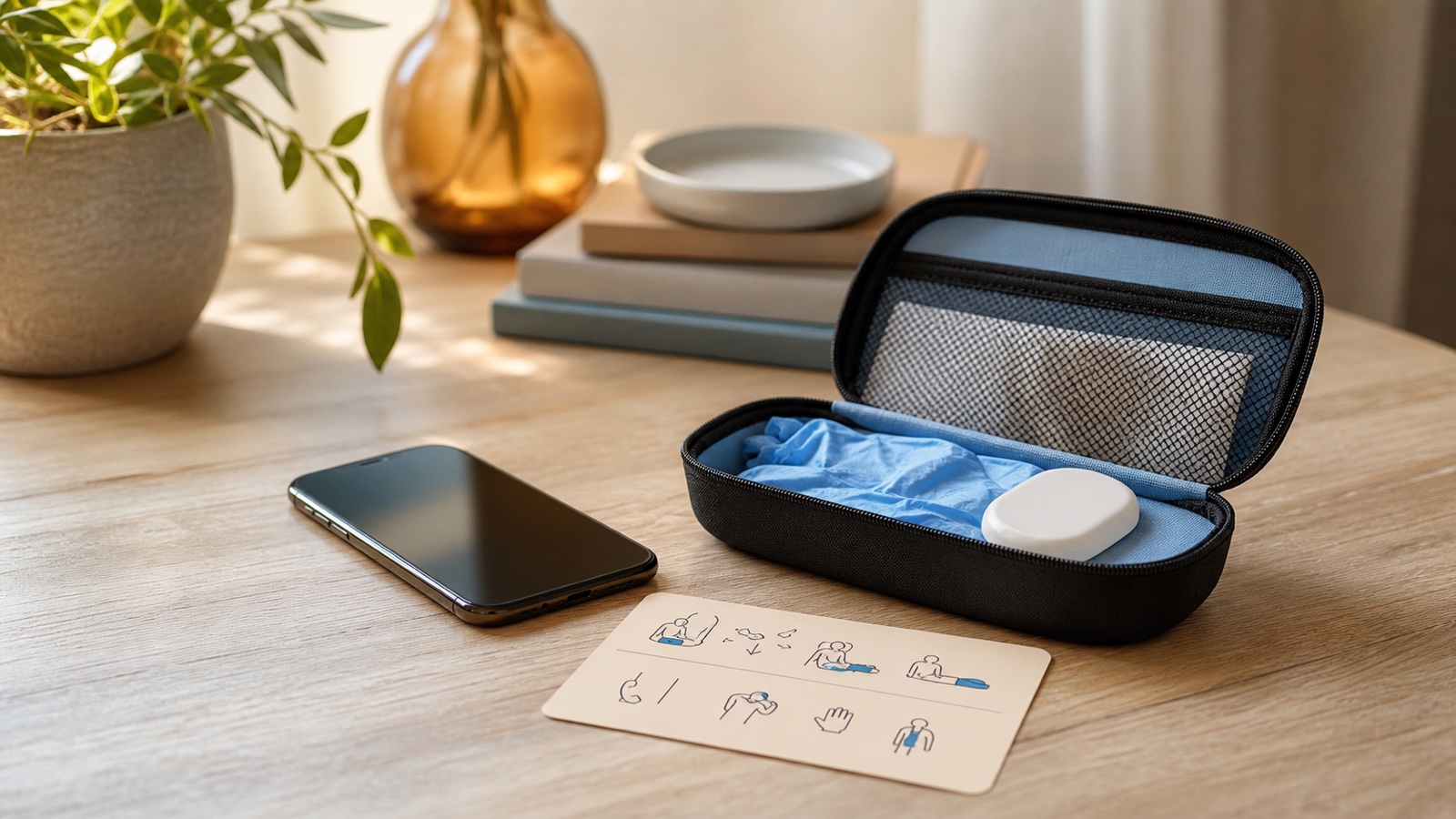
What should you do if you think someone is overdosing on opioids?
How to recognize a possible opioid overdose, use naloxone, call 911, and keep responding while emergency help is coming.

Why a stimulant crash can bring a sharp mood drop
Why prescribed stimulant rebound, illicit stimulant withdrawal, and depression can feel different, plus when a mood drop needs urgent help.

What to expect at your first visit.
What we ask, what we don’t, what you leave with, and how to make your first telehealth psychiatry visit count. A quick, plain-language guide from Sigma Psychiatry.
Want help deciding what kind of care makes sense?
A free 15-minute intro call can help clarify whether a psychiatric evaluation is the right next step.