What if your teenager is embarrassed by you in public?
How to read a teenager wanting public space, make a simple pickup plan, and stay connected without turning one awkward wave into a verdict.

- A teen’s public distance may reflect growing independence, not a lack of love.
- Ask privately what kind of greeting works, then keep the safety basics clear.
- Look for connection in ordinary moments at home, not only public affection.
- A broad change in mood or functioning deserves more attention than one awkward wave.
You spot your teenager outside school and lift a hand. They give you a tiny wave, look over a shoulder, and walk the last few steps as if you’re a ride-share driver with suspiciously familiar eyebrows. It stings. Yesterday they told you a long story at the kitchen counter. Today, in front of friends, a normal hello feels like a social emergency.
You don’t need to pretend the moment feels lovely. You also don’t need to turn it into a referendum on whether your child loves you. Adolescence brings more attention to peers, privacy, and making choices without a parent narrating them. The wish for some public distance can sit beside a real need for home to remain steady. The job is to stay available without making every sideways glance a confrontation.
Public distance doesn’t tell the whole story
A teen may want control over how they appear to friends. They may worry you’ll ask about a grade, use an old nickname, or start a conversation they can’t easily leave. Some are simply tired after a school day and don’t want an audience. You can’t know which explanation fits from one short walk to the car. Ask later, when neither of you is performing for the sidewalk.
Research on adolescent autonomy suggests that a young person’s ability to express a separate view matters in relationships with parents and peers. That doesn’t mean parents should disappear or hand over every safety decision. It means independence develops through practice, including awkward moments where a teen asks for a little room. CDC parenting guidance also encourages growing independence within a safe, supportive relationship. You can honor both.
Try not to say, “Was that uncomfortable?” That question asks your teenager to manage your hurt before they can describe what happened. A calmer version is, “Did that wave feel too big? Would a quieter pickup work better?” You’re inviting information, not demanding a verdict on your parenting. You might learn that the wave was fine and the nickname was the problem.
Make a small public plan together
A plan can be boring in the best way. Ask where they want to meet, whether they’d rather come to the car, and what kind of greeting feels okay in front of friends. Agree on what still has to happen for safety: you need to know where they’re and when they’re coming out. They can choose the volume of the hello. You keep the responsibility for getting everyone home.
Don’t promise a perfect performance from either side. You may forget and call out once. They may snap because they’re hungry or worried about a friend. Repair is more useful than a courtroom replay. “Sorry about the nickname. Next time it stays home,” is enough. A teenager can also hear, “You can ask for space without being cruel.” Respect isn’t a one-way street, even when you’re giving them more room.
I listen for whether the private relationship is still reachable. Does your teen sometimes talk during a drive, show you something funny, or ask for help when it counts? Connection at this age may arrive sideways, while you’re chopping vegetables or looking for a charger. If you insist that affection must look like a hug at the school gate, you’ll miss the quieter versions already happening.
The plan should fit their age and the setting. A younger teen may still need you close enough to see them come out of school. An older teen may want to walk to an agreed corner. You can explain your reason without a speech: “I need to know you got out safely.” The details can change as trust and circumstances change.
Keep connection easy to enter
A teenager who wants distance in public may still want predictable contact at home. Offer a short invitation without making the answer carry a week’s worth of meaning: “Tea is ready if you want some,” or “Around after dinner if you want to talk.” If they say no, you can try another day. You don’t have to hover in the doorway waiting for proof that your offer mattered.
Spend time around something they actually enjoy when you can, even if it isn’t your favorite subject. You don’t need to perform expertise about the game, band, or show. Curiosity can be plain: “What makes that part interesting?” Then listen. A lecture can turn a small opening into a trap. A teenager is more likely to return to a conversation they were allowed to leave.
If you want affection, ask rather than assume. “Would a hug feel good, or just a goodnight?” That gives them a real choice and teaches respect for other people’s boundaries too. A declined hug isn’t a permanent verdict. It’s an answer for this moment. You can still say you love them, make breakfast, and be the reliable adult who notices when they’re having a rough week.
Watch for a bigger change, not one awkward wave
A little public embarrassment is different from a teen who is withdrawing everywhere, losing interest in friends, sleeping very differently, struggling at school, or seeming persistently hopeless. The CDC and AAP encourage parents to stay connected and pay attention to changes in functioning. If you’re concerned, ask directly and without a speech. You can contact a pediatrician or mental health professional for guidance.
If your teen says they feel unsafe, are being bullied, or are thinking about suicide, respond to that concern rather than debating whether they were polite at pickup. Stay with them, get immediate professional support, and use 988 in a mental health crisis in the United States; call 911 for immediate danger. Privacy doesn’t mean handling serious safety concerns alone. You can respect their voice while taking action.
Your hurt deserves somewhere to go, just not onto your teenager’s shoulders in the school parking lot. Tell another adult that the change feels strange. Remember that closeness often changes its shape before it disappears. A teen who rolls their eyes at the school gate may still want you awake when they get home from practice. Both moments can be real.
Your teen won’t always thank you for changing the plan. They might not notice until you don’t do it. That’s okay. You’re building a way to talk that they’ll be able to use when the stakes are bigger than a wave.
This week, ask one neutral question: “How should pickup hellos work?” Listen to the answer and choose one detail you can change. The experiment isn’t to make your teen proud of every parent move. It’s to show that they can ask for space, you can stay steady, and the relationship has room for both of you.
The bottom line: Give your teen a say in the public greeting while you stay reliably present. One awkward pickup tells you little; a broader change in mood, safety, or daily life deserves a closer conversation. In a mental health crisis in the United States, call or text 988.
Sources: CDC, Encouraging Independence; Undermining Adolescent Autonomy With Parents and Peers; CDC, Positive Parenting for Ages 15 to 17.
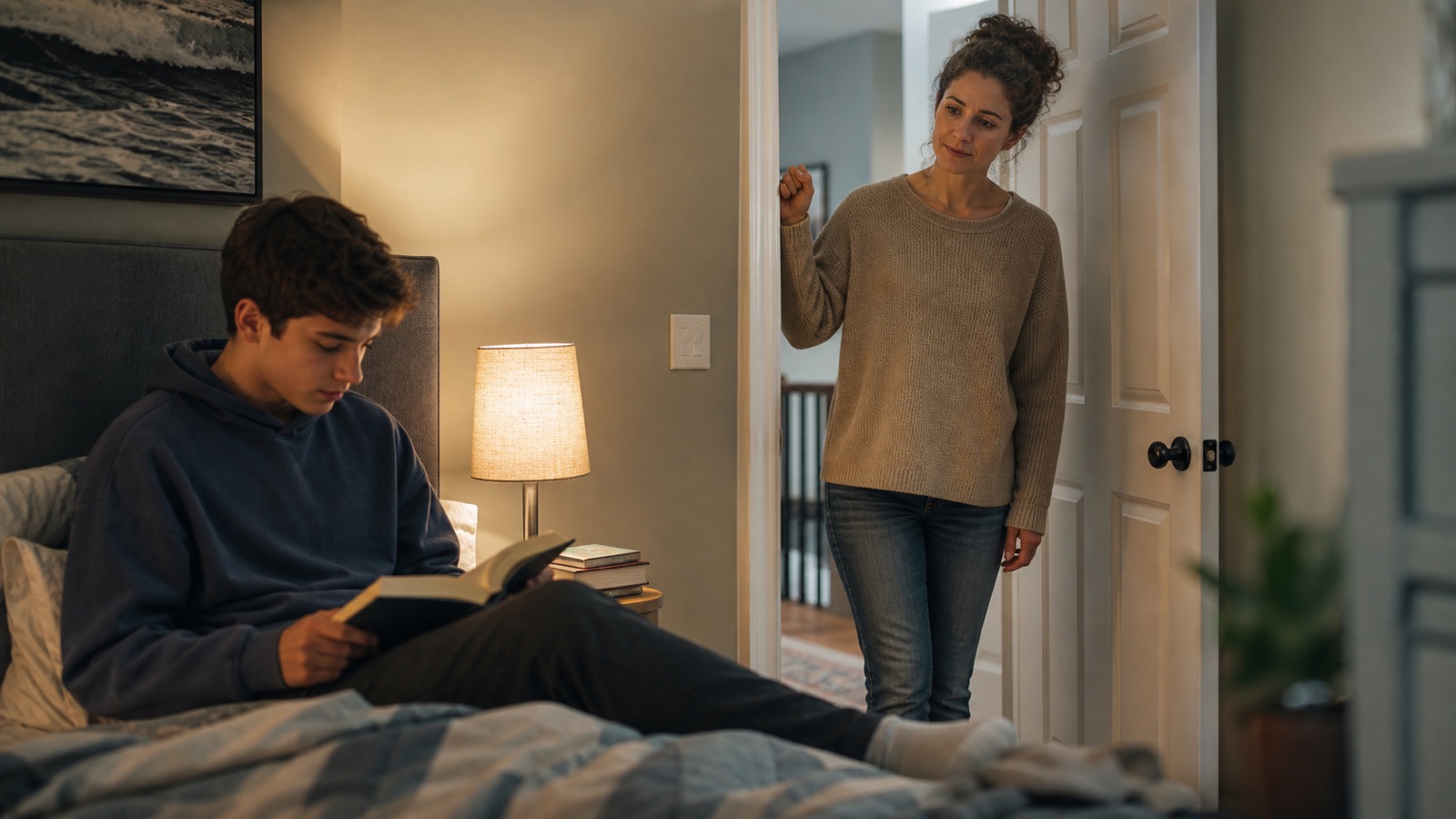
How much privacy should a teenager have?
How parents can balance teen privacy with safety, what deserves monitoring, and how young people can ask for trust without going silent.
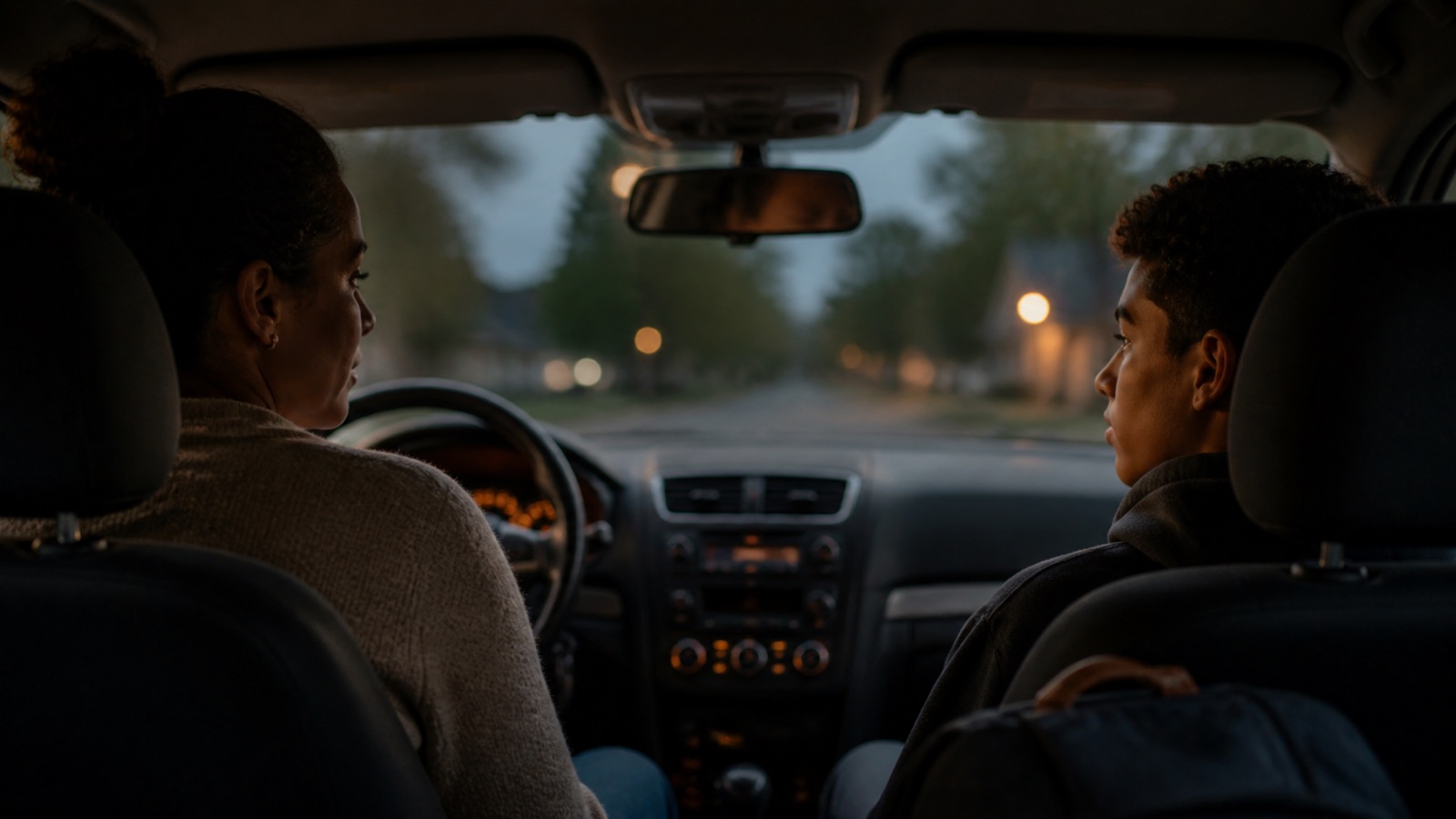
How do you talk to a teenager who only says “fine”?
How to invite a teenager to talk without turning every car ride into an interview, notice concerning changes, and keep connection open when words are scarce.

What if your child says no to a hug from family?
How to respect a child who says no, offer warm ways to greet relatives, and respond calmly when an adult takes a declined hug personally.
Want help sorting through what you are noticing?
A free 15-minute intro call can help you decide whether psychiatric care fits the next step.