How do you explain your anxiety to your child?
How to talk with a child about a parent’s anxiety in age-appropriate words, answer their questions, and keep adult responsibility with adults.

- Children often notice a parent’s distress, even when adults try to hide every sign of it.
- Use simple, honest words that fit your child’s age and make clear the anxiety is not their fault.
- Tell your child which adults are helping; do not make them responsible for calming or monitoring you.
- Return to the conversation later and seek support if your anxiety changes family routines or your child’s sense of safety.
You’re rinsing a plate at the sink when your child asks, "Are you worried again?" They noticed the phone call, your tight voice, and the way you checked the door twice. You had hoped the worry was invisible. It wasn’t.
You don’t need a flawless speech. You need a true explanation your child can carry without being asked to carry you. A child can know that a parent has anxiety and still know the parent is the adult in charge of getting help. You don’t have to pretend nothing happened.
Say what they noticed before they invent a reason
Children are good at spotting changes and less equipped to explain them. They don’t know the whole story, and they shouldn’t have to guess it. A quiet parent might look angry. A cancelled outing might feel like the child’s fault. If your anxiety has been visible, naming it can give the moment a safer shape: "You saw a worried face. Anxiety can make a parent feel scared even when the family is safe."
Keep the words close to what the child has actually seen. A younger child may need one or two sentences. A teenager may want a fuller conversation and more privacy about their own feelings. SAMHSA recommends straightforward, age-appropriate language and checking the child’s reactions. If their face says "too much," pause and ask what they heard.
I would include three messages early: "This isn’t your fault. You don’t have to fix it. Grown-ups are helping me." Those lines answer questions a child may not know how to ask. They also protect the child from becoming your unofficial counselor.
Honesty does not require a full adult download
You can tell them that a therapist or doctor is helping with the anxiety. You don’t need to recount every frightening thought, financial worry, or relationship argument. Your child needs a dependable outline of what happens next, not the raw version of every concern. They aren’t your therapist, and you don’t need them to be.
Be careful with promises. Saying the anxiety will never return may sound soothing for a minute but asks you to guarantee something you can’t. Try "Sometimes I feel anxious. Other adults help, and you’ll know if a plan changes." If your child asks whether you are safe, answer honestly in a calm, concrete way that fits the situation.
A child may ask the same question several times. That doesn’t necessarily mean your explanation failed. They may be checking whether the answer still holds. Repeat the short version, then ask, "What are you most worried might happen?" Listen before you add another paragraph. The part you think needs explaining may not be the part troubling them.
Let your child see coping without assigning them a job
It’s fine for a child to see you take a breath, step outside for a minute, or call another adult for support. Those actions can show that feelings are manageable and help is normal. The American Academy of Pediatrics encourages everyday, calm conversations about mental health, including talking about feelings and listening to children.
There is a line between showing a coping step and asking your child to run it. Announcing that you’re taking a quiet minute keeps responsibility with you. Asking the child to reassure you every time anxiety rises moves it to them. If your child already watches your mood closely, ask another adult to support you and tell your child they can return to being a kid.
Keep routines as steady as you reasonably can. You won’t always manage that perfectly. If anxiety means a plan must change, give a plain explanation and a replacement plan: "The crowded store is too much today. Aunt Maya will take you, and we’ll make dinner together later." A child doesn’t need every adult detail to know who is picking them up and what happens next. They can trust a plan that isn’t complicated.
Check how the story landed
After the conversation, notice your child’s questions, sleep, school life, and behavior without treating every quiet moment as a warning sign. Ask again on an ordinary day: "Did anything about our talk leave you confused?" Some children will answer immediately. Others will ask from the back seat two weeks later.
If your child is frightened, withdrawing, taking on adult duties, or having trouble at school, talk with their pediatrician or a child mental health professional. You can also seek more care for your own anxiety if it is changing family routines or your ability to be present. Getting support is part of parenting, not a failure of it.
If your anxiety includes a crisis or you cannot keep yourself or your child safe, involve another trusted adult and urgent professional help right away. A child shouldn’t have to make the safety plan. They shouldn’t be left to guess who will care for them. Tell them who will care for them while adults handle the emergency.
It can help to practice your explanation with another adult first. Say it aloud and check whether it asks the child to comfort you, keep a secret, or make a grown-up decision. If it does, shorten it. A trusted co-parent, relative, therapist, or friend can help you hold the details that are too heavy for a child. Your child can know the basics without becoming the keeper of the full story.
Don’t assume one conversation covers every age. A younger child may want to know who will make dinner and whether tomorrow’s ride is arranged. A teen may ask what treatment means and whether they can talk privately with someone too. Their questions can change over time. You won’t need a perfect answer immediately; you can promise to check and return with an honest one.
You may feel embarrassed that your child noticed anything. But secrecy isn’t the only form of protection. A calm, bounded explanation can give them words for what they saw and permission to ask. It can also show that adults can have hard feelings and still act responsibly.
Today, write a three-sentence version you could say in your own voice: what they noticed, that it isn’t their fault, and which adults are helping. Then stop. Leave room for their question. Your child doesn’t need a polished speech. They need a parent who will tell the truth at the right size. You won’t always find perfect words, and you can return to the conversation when you don’t.
The bottom line: Tell your child what they have noticed in simple words, make clear that your anxiety is not their fault, and name the adults who are helping. Keep the work of care with adults and keep listening as your child grows. If you are in a mental health crisis in the United States, call or text 988 for immediate support. You don’t have to handle it alone.
Sources: SAMHSA, How to Talk About Mental Health With Your Child; AAP, Everyday Ways to Talk About Mental Health; AAP, Help Your Child Manage Anxiety.
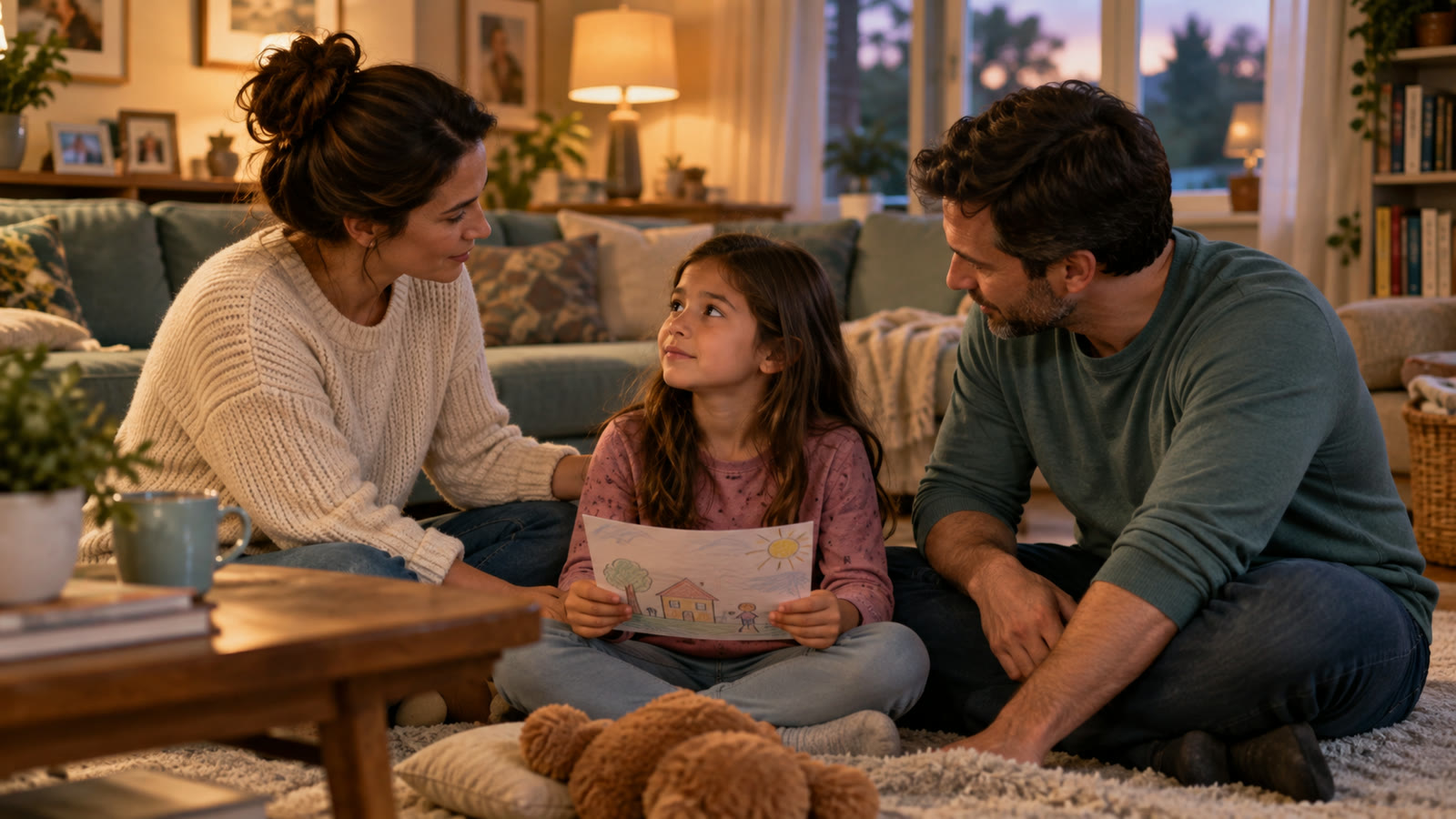
What should you say after your child hears you argue?
How to repair after your child hears an argument, restore a sense of safety, avoid pulling them into the conflict, and change the pattern when needed.

How do you talk to a teenager who only says “fine”?
How to invite a teenager to talk without turning every car ride into an interview, notice concerning changes, and keep connection open when words are scarce.
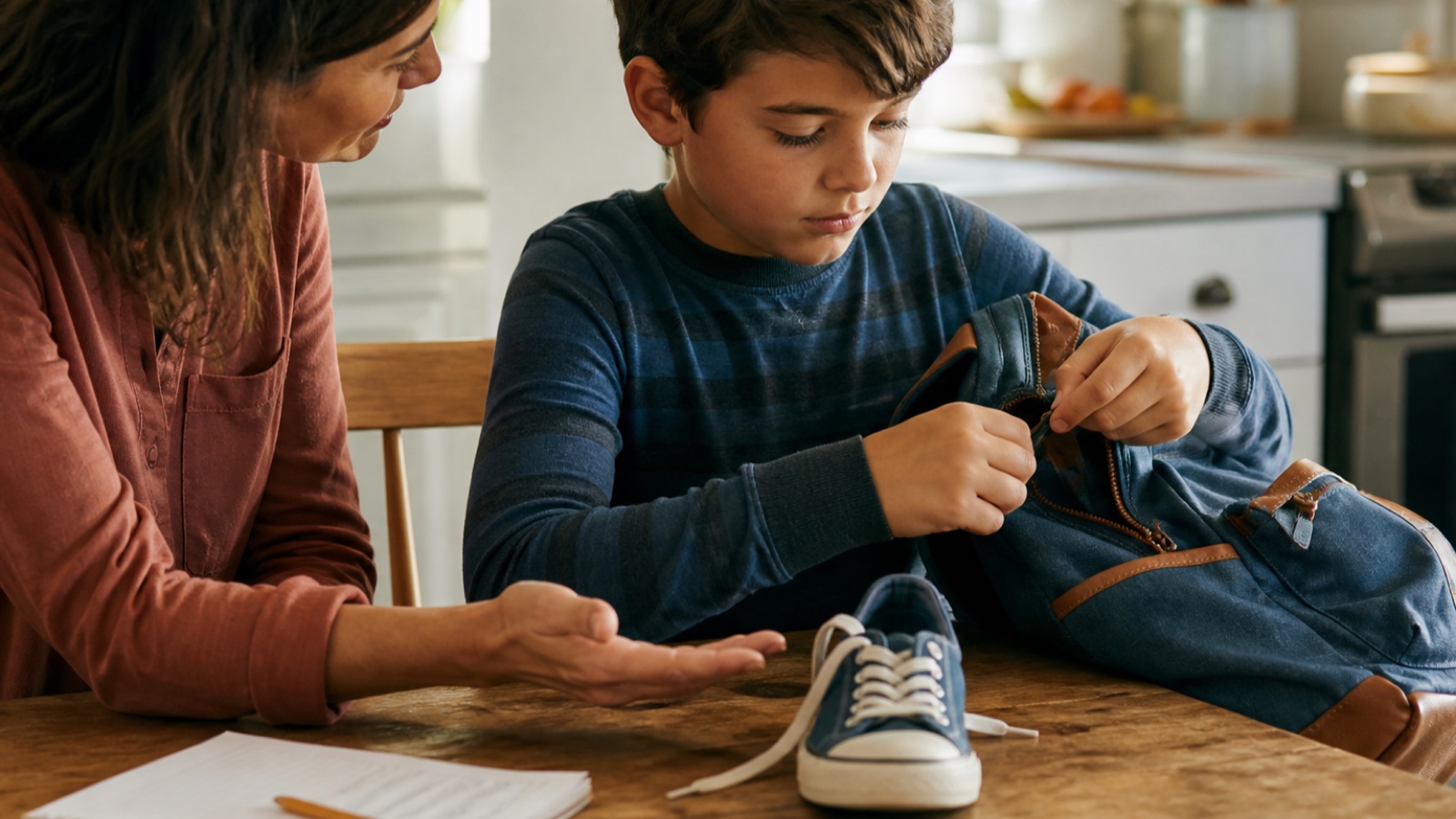
How do you help an anxious child without helping anxiety take over?
How parents can validate an anxious child, reduce unhelpful accommodation gradually, and support brave steps without becoming harsh or dismissive.
Want help sorting through what you are noticing?
A free 15-minute intro call can help you decide whether psychiatric care fits the next step.