Why do you feel groggy after a nap?
Why a nap can leave you foggy, how timing and length may help, and when daytime sleepiness deserves a closer look.

- A groggy spell after waking can be sleep inertia, especially after deeper sleep.
- A brief, earlier nap may help alertness without making bedtime harder.
- Leave time to wake fully before driving or doing safety-sensitive work.
- Frequent daytime sleepiness deserves a conversation with a clinician.
You close your eyes on the couch for what feels like a quick reset. When you open them, the room looks slightly unfamiliar, your phone has gained three notifications, and standing up seems like a complicated request. The nap was meant to rescue the afternoon. For a few minutes, it feels as if it borrowed your brain instead.
That heavy, foggy stretch after waking has a name: sleep inertia. It can happen after nighttime sleep or a nap. It isn’t proof that naps are bad, and it doesn’t mean you have a sleep disorder. The useful question is what kind of nap you took, when you took it, and whether you were already short on sleep.
A nap can end before your brain feels awake
Waking isn’t a switch. Alertness can lag behind the moment your eyes open, especially if an alarm pulls you from deeper sleep. During that transition, you may feel slow, irritable, or clumsy. The National Institute for Occupational Safety and Health notes that sleep inertia can briefly reduce functioning after a nap. That’s an explanation, not a diagnosis you need to put on your calendar.
Nap length can matter. As sleep continues, deeper stages become more likely. An hour-long nap can end right when waking feels hardest. A brief nap is more likely to end during lighter sleep, although that isn’t guaranteed. If you’re very sleep deprived, you may reach deeper sleep sooner. There isn’t a magic minute that works for every person, every day.
You may have heard that a 90-minute nap always finishes a perfect sleep cycle. Real sleep doesn’t follow a kitchen timer so neatly. The CDC describes that length as one possible way to reduce grogginess, but its guidance for a person on a daytime schedule favors a brief nap. You don’t need to turn resting into a math exam to use that distinction.
I tell people to judge a nap by the whole afternoon, not the first confused minute. Did you feel more alert after a little time to wake up? Did the nap make bedtime harder? Did you need it because the last several nights were short? Those answers are more useful than declaring yourself bad at sleep.
Short and early is a reasonable first experiment
If you want a nap that helps without stealing the evening, try setting aside about 20 minutes in the early afternoon. The National Heart, Lung, and Blood Institute advises adults to keep naps to 20 minutes or less, especially when nighttime sleep is difficult. That is a starting point, not an order to sleep on command. Some days you may just rest with your eyes closed.
Set an alarm with enough time to wake fully before driving, taking an exam, or doing work where a slow reaction could matter. Give yourself a transition: sit up, drink water if you want it, and let daylight into the room. Those steps won’t erase sleep debt, but they can make the move from couch to task less abrupt. Don’t test your alertness by immediately getting behind a wheel.
Notice timing too. A late afternoon nap may make it harder to fall asleep at your usual bedtime. If that happens, move the nap earlier or skip it and protect the coming night instead. A short nap can be useful during a long day; it isn’t a substitute for a regular chance to sleep. Your body keeps the receipts, even when your planner doesn’t.
If you work nights or rotating shifts, the usual afternoon advice may not fit your clock. NIOSH describes naps as one fatigue tool for shift workers, with timing shaped by the work schedule. Use your actual sleep period and safety demands to plan. If you are driving home after a shift and can barely stay awake, don’t rely on a clever nap rule alone; get help making a safer plan.
The urge to nap every day deserves context
Sometimes the surprising part isn’t the groggy wake-up. It’s that you needed a long nap despite enough time in bed. Poor sleep quality, an irregular schedule, medicines, depression, and sleep disorders can all be worth discussing with a clinician. A nap can’t tell you which explanation is right. Keeping a simple note of bedtime, wake time, naps, and daytime sleepiness can give that conversation somewhere to start.
Ask someone who shares your room whether they notice loud snoring, pauses in breathing, or gasping. Those signs can raise concern for sleep apnea, especially if you wake unrefreshed. They don’t diagnose it. A clinician can decide whether an evaluation makes sense. If a new medicine seems to line up with daytime drowsiness, ask the prescriber or pharmacist before changing how you take it.
Sleepiness also deserves a safety check. If you keep nodding off while driving, studying, or working, the priority isn’t finding a more elegant alarm sound. Avoid driving while sleepy and seek medical advice. If you have sudden confusion, weakness, or another alarming new symptom, get urgent care rather than assuming it is ordinary post-nap fog.
A nap can also be a welcome pause when life is simply full. You don’t have to medicalize every afternoon dip. The difference is whether resting helps and whether sleepiness keeps interrupting your life. If it does, looking beneath the nap is kinder than repeatedly blaming yourself for not having enough willpower.
A quiet rest without sleeping can be useful too. If you lie down and don’t fall asleep, you haven’t wasted the break. You can still step away from a demanding task, loosen your shoulders, and return with a clearer sense of what comes next. But if you keep planning a 20-minute pause and wake two hours later, that’s worth noticing. Your body may be telling you the nights aren’t doing enough. Don’t treat that pattern as a personal failure, and don’t ask an alarm to fix a problem it can’t reach.
Let the next nap teach you something
For a week, compare two things: how long you nap and how you feel 30 minutes after waking. Note whether bedtime changes. You aren’t trying to produce laboratory data. You’re looking for a pattern you can use. If a brief, earlier nap leaves you steadier, keep it. If naps make nights harder, try a different rest break and protect your sleep window.
Today, the smallest experiment is to set a gentle 20-minute alarm before you lie down, then leave a little waking time before your next demand. If you still feel wiped out after most naps or need them to get through ordinary days, bring that pattern to a healthcare professional. Rest is allowed. So is asking why it isn’t refreshing.
The bottom line: A nap can help, but a foggy wake-up may be ordinary sleep inertia. Try a brief, earlier nap and leave time to wake fully. If sleepiness keeps interrupting your day, ask a clinician to look deeper. If you are in a mental health crisis in the United States, call or text 988 for immediate support.
Sources: CDC/NIOSH, Nap Duration; NHLBI, Healthy Sleep Habits; NHLBI, Sleep Deprivation and Deficiency.

Why do small problems feel enormous when you’re sleep-deprived?
Why too little sleep can darken your mood and shrink your coping range, what deserves urgent attention, and how to make a tired day less combustible.
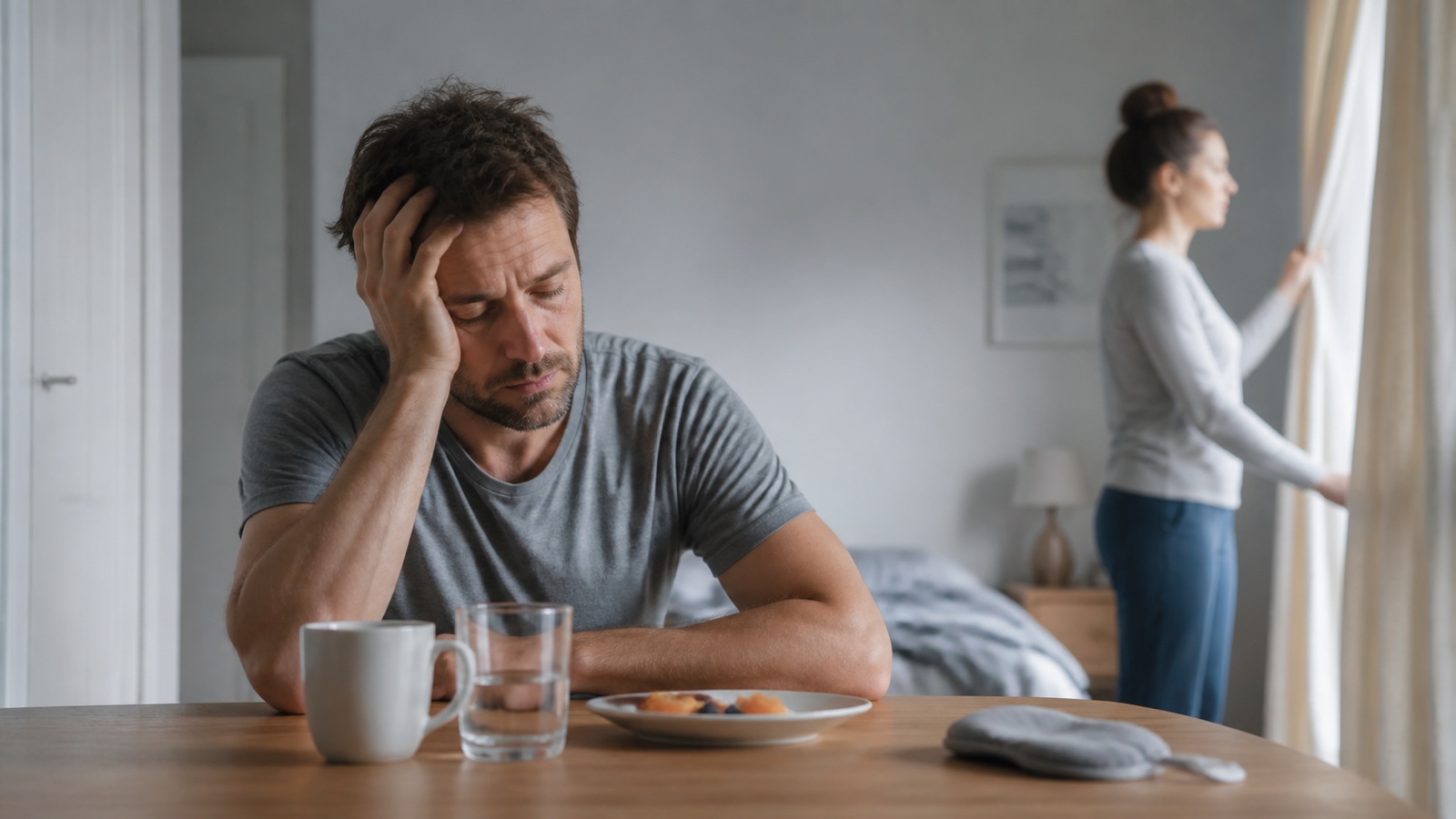
Can sleep apnea look like depression or ADHD?
How disrupted breathing during sleep can affect mood, energy, and attention, which clues matter, and why a sleep study may change the treatment plan.
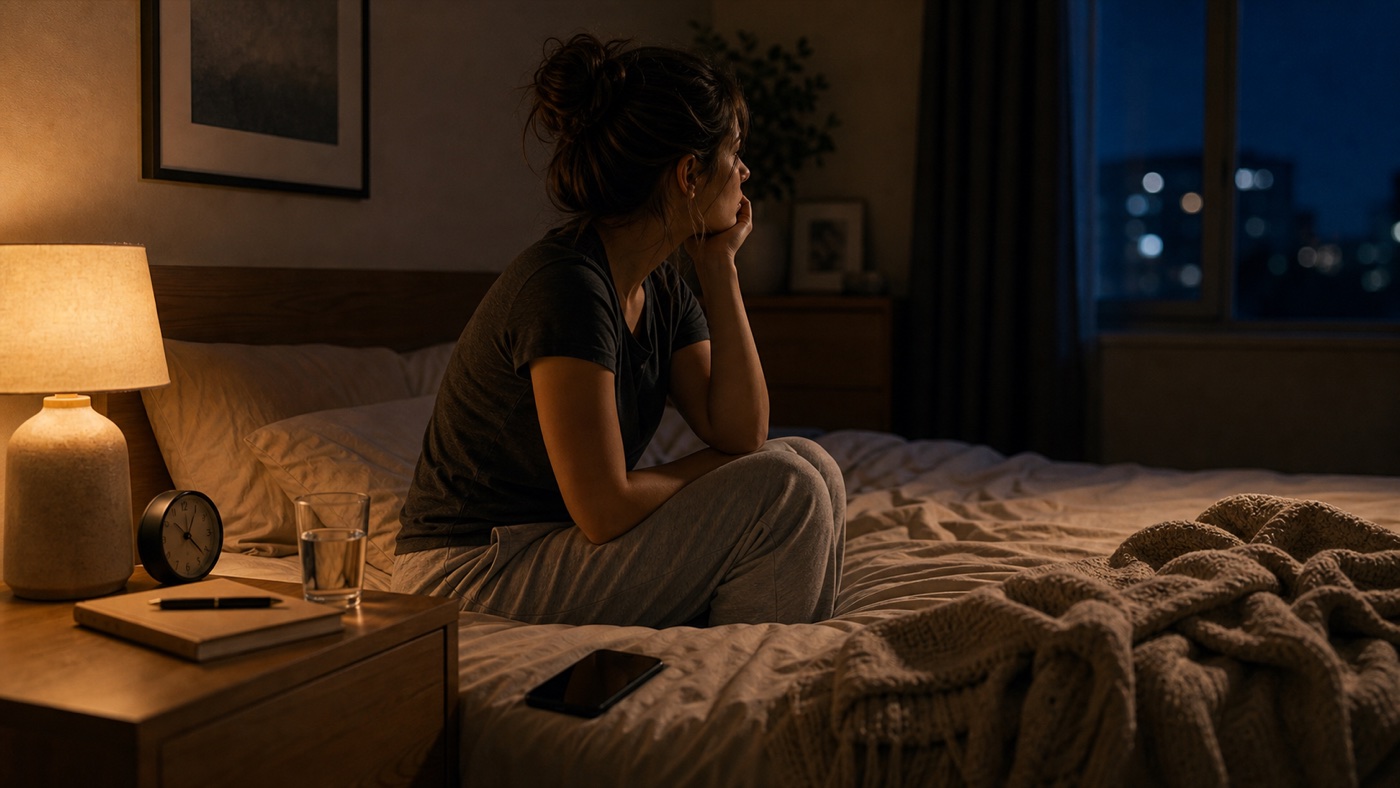
Why can't I sleep? Your brain at 3 a.m.
The anxiety-sleep loop, the sleep advice that actually works, why CBT-I beats pills, and when sleeplessness is treatable.
Want help sorting through what you are noticing?
A free 15-minute intro call can help you decide whether psychiatric care fits the next step.