Why is your teenager tired all the time?
Why teenagers can feel tired despite sleeping late, how to separate sleepiness from fatigue, and which changes deserve medical or mental health care.

- Teen body clocks naturally shift later, but most 13- to 18-year-olds still need eight to 10 hours of sleep regularly.
- Sleepiness means struggling to stay awake; fatigue is low energy or endurance. A teenager can have either or both.
- Too little sleep is common, but mood, sleep disorders, medical illness, substances, medications, and overloading can also matter.
- New, persistent, worsening, or function-limiting tiredness deserves an evaluation, especially with safety concerns or other physical changes.
It’s 6:42 a.m. The backpack is packed, the toast is cooling, and your teenager is sitting upright through what appears to be a private negotiation with gravity. You say, “You slept until noon yesterday.” They look at you with the ancient weariness of someone who has personally worked three harvests.
It’s tempting to call this attitude, screen time, laziness, or adolescence doing its full theatrical run. Sometimes the answer is simply not enough sleep. Sometimes it isn’t. “Tired” can describe several different experiences, and the pattern matters more than the eye roll.
The teenage clock really does run later
During puberty, circadian timing shifts. Melatonin tends to rise later, and sleep pressure builds differently, so many teenagers don’t feel sleepy as early as they did in childhood. Their biology says later bedtime while school still says first period. The calendar has scheduled a meeting without checking with the clock.
The American Academy of Sleep Medicine recommends that teenagers ages 13 through 18 sleep eight to 10 hours per 24 hours regularly. Yet early school times, homework, activities, jobs, social life, commuting, and evening light can squeeze that window from both ends. Sleeping until noon on Sunday may repay part of a weekly debt without proving the debt is gone.
This isn’t permission to declare mornings impossible forever. It’s a reason to begin with arithmetic rather than character. If a teenager falls asleep at 12:30 a.m. and wakes at 6:15 a.m., no motivational speech can turn five hours and 45 minutes into adequate sleep.
“Tired” is doing too many jobs
Ask what tired means. Sleepiness is the urge to fall asleep: nodding off in class, struggling to stay awake in the car, or needing a nap that feels less like a choice than a shutdown. Fatigue is low energy, heaviness, poor endurance, or feeling depleted even without drifting to sleep.
A teen may say their body is exhausted while their mind won’t settle. They may feel sleepy after short nights but wired at bedtime. They may sleep 10 hours and still wake unrefreshed. Those aren’t interchangeable clues.
Ask when it happens, how long it has lasted, and what it interrupts. Is the first hour of school terrible but afternoon practice fine? Has energy dropped across the entire day? Are grades, hygiene, friendships, driving, exercise, or attendance changing? One dramatic Saturday nap isn’t a diagnosis. A month of falling asleep in algebra is a pattern.
Count the sleep you have, not the sleep you intended
For one week, record lights-out time, estimated sleep time, nighttime waking, wake time, naps, and weekend changes. Include caffeine, energy drinks, nicotine, cannabis, alcohol, and late exercise. A phone outside the bedroom can help, but don’t assume the phone is the only defendant before collecting evidence.
Notice quality as well as quantity. Loud snoring, gasping, pauses in breathing, restless legs, repeated nightmares, sleepwalking, unusual movements, morning headaches, or a dry mouth can point toward disrupted sleep. An eight-hour opportunity isn’t eight hours of restorative sleep if the night keeps breaking apart.
I’d also ask whether the teen can wake for something they genuinely want to do. If they can, that doesn’t prove they’re faking school-day exhaustion. Motivation can temporarily increase alertness, and a later weekend schedule may fit their body clock better. Context helps explain a symptom. It doesn’t erase it.
Do not make depression the automatic answer
Depression can include low energy, sleeping too much or too little, poor concentration, irritability, withdrawal, hopelessness, and loss of interest. Anxiety can exhaust a teenager through constant vigilance, rumination, panic, perfectionism, or nights spent rehearsing tomorrow. Trauma, grief, eating disorders, and substance use can affect sleep and energy too.
But fatigue by itself doesn’t diagnose depression. A teen can be underslept without being depressed, depressed without sleeping more, or both. Look for a cluster and a change from baseline. Has pleasure disappeared? Has self-criticism become relentless? Are they avoiding nearly everything, not just a 7:30 a.m. chemistry quiz?
Ask directly and without a courtroom tone: “You’ve seemed exhausted and less interested in things. How has your mood been?” If there’s concern, ask about self-harm and suicide plainly. Asking won’t plant the idea. If your teenager might act on suicidal thoughts or can’t stay safe, call or text 988 in the United States or seek emergency help.
The body gets a vote too
Medical causes of fatigue can include anemia, iron deficiency, thyroid problems, infection, inflammatory illness, diabetes, sleep disorders, nutritional problems, chronic pain, and other conditions. Menstrual bleeding, recent illness, weight change, fever, swollen glands, increased thirst or urination, shortness of breath, fainting, pain, weakness, and gastrointestinal symptoms can help guide the evaluation.
Medications matter. Antihistamines, sleep aids, some psychiatric medicines, and other prescriptions can cause sedation. Stimulants and caffeine can produce a cycle of late sleep, daytime rescue, and another late night. Don’t stop a prescription to test the theory without the clinician who manages it.
Most tired teenagers don’t need an enormous laboratory treasure hunt. A clinician can use the history, examination, and specific warning signs to decide what testing is appropriate. The goal isn’t to order every blood test because the sofa looks unusually magnetic. It’s to avoid calling a medical symptom laziness.
Some changes should move the appointment sooner
Arrange medical care for tiredness that is new, persistent, worsening, or interfering with school, driving, eating, exercise, or ordinary functioning. Seek prompt care for fainting, chest pain, trouble breathing, severe weakness, confusion, dehydration, significant bleeding, rapidly changing weight, prolonged fever, or a teenager who is difficult to wake.
Drowsy driving deserves special respect. If your teen is nodding off, missing turns, drifting lanes, or fighting to keep their eyes open, they shouldn’t drive. Open windows, loud music, and confidence aren’t treatments for microsleep.
Sudden episodes of irresistible sleep, collapse with strong emotion, vivid dreamlike experiences while falling asleep or waking, or persistent sleepiness despite adequate sleep may need a sleep-medicine evaluation. Don’t make the teenager prove severity by having something dangerous happen first.
Make the first appointment more useful
Bring the one-week sleep and energy record, the medication and substance list, menstrual information when relevant, recent illnesses, and a simple timeline. Ask the teenager what they want the clinician to know privately. Adolescents often disclose mood, substance use, eating concerns, or sleep habits more honestly when they have some confidential time with a clinician.
Describe function rather than only frustration: “They’ve missed six first periods, stopped going to soccer, and fall asleep in the car after school.” That gives the clinician more to work with than “They’re impossible in the morning.”
Let the teenager participate in the plan. A schedule imposed like a military landing may produce compliance theater and very little sleep. Ask which change seems possible: moving caffeine earlier, protecting a consistent wake time, reducing one late commitment, dimming light, treating insomnia, or addressing the condition disrupting sleep.
Try one week of curiosity before a verdict
For seven days, replace “Why are you always tired?” with one neutral check-in: “Sleepy, low-energy, or both today?” Record the answer with sleep time and the hardest part of the day. You’re looking for a pattern, not trying to catch your teenager being inconsistent.
If the numbers show chronic sleep shortage, treat that as a real health problem rather than a discipline failure. If sleep looks adequate and fatigue remains, bring the record to a clinician. If mood or safety concerns surface, respond to those directly.
Your teenager may still dislike mornings. That’s not the standard. The question is whether they have enough alertness and energy to live their life safely, and whether something treatable is taking that away.
The bottom line: Teenagers naturally shift toward later sleep, but persistent tiredness isn’t automatically normal, lazy, or depression. Separate sleepiness from fatigue, count actual sleep, notice function and other symptoms, and include medical, psychiatric, medication, and substance causes. A week of good observations can turn a morning argument into a useful evaluation.
Sources: American Academy of Sleep Medicine, Teen Sleep Duration Health Advisory; American Academy of Pediatrics, policy statement on school start times for adolescents, Pediatrics (2014); Centers for Disease Control and Prevention, Sleep and Health, updated 2024; De Nardi and colleagues, clinical review of fatigue in children and adolescents, Frontiers in Pediatrics (2022); Findlay, review of assessment and management of the tired teenager, Paediatrics & Child Health (2008).
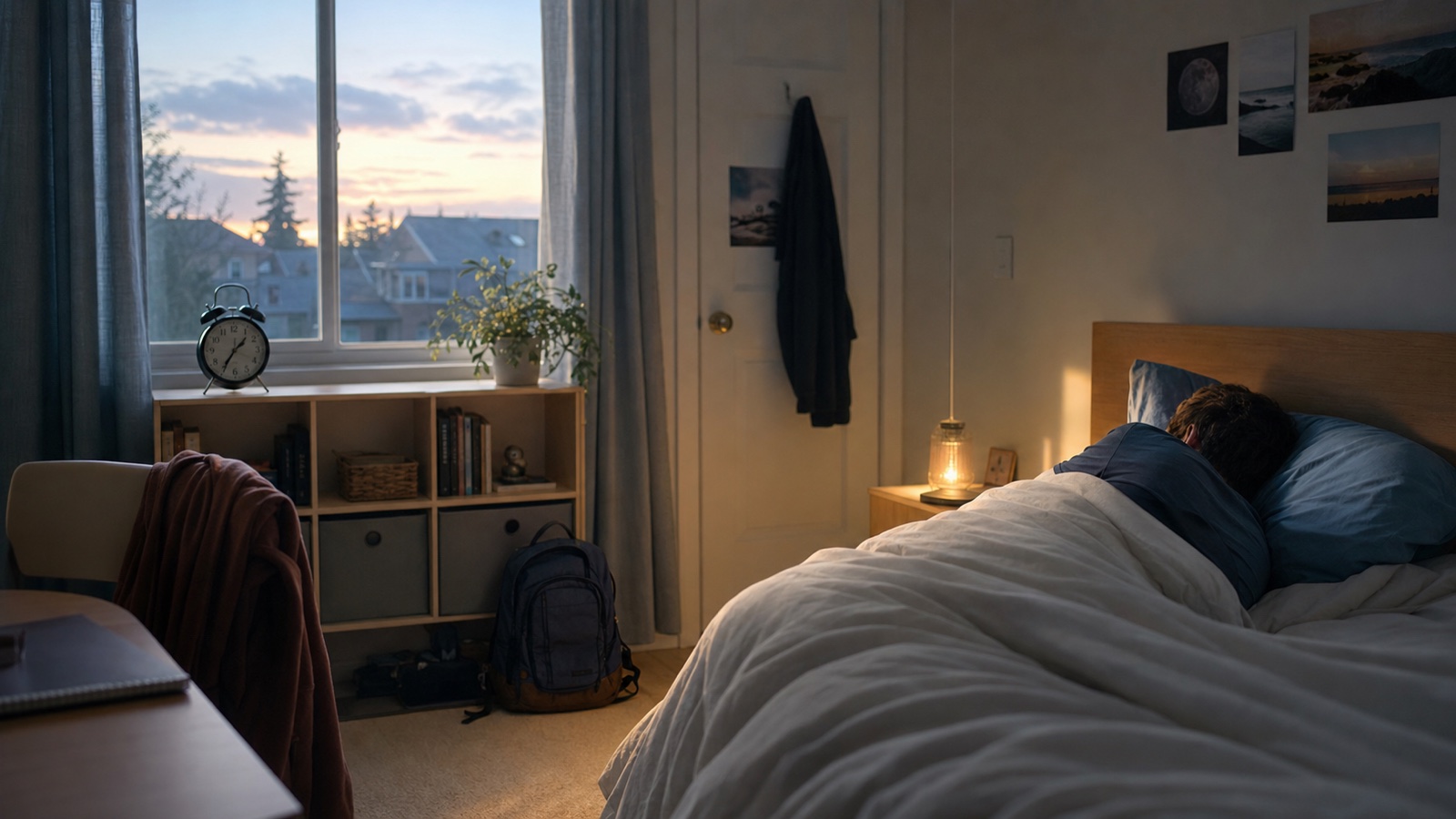
Why does my teenager sleep so late?
How puberty shifts the body clock and what helps.
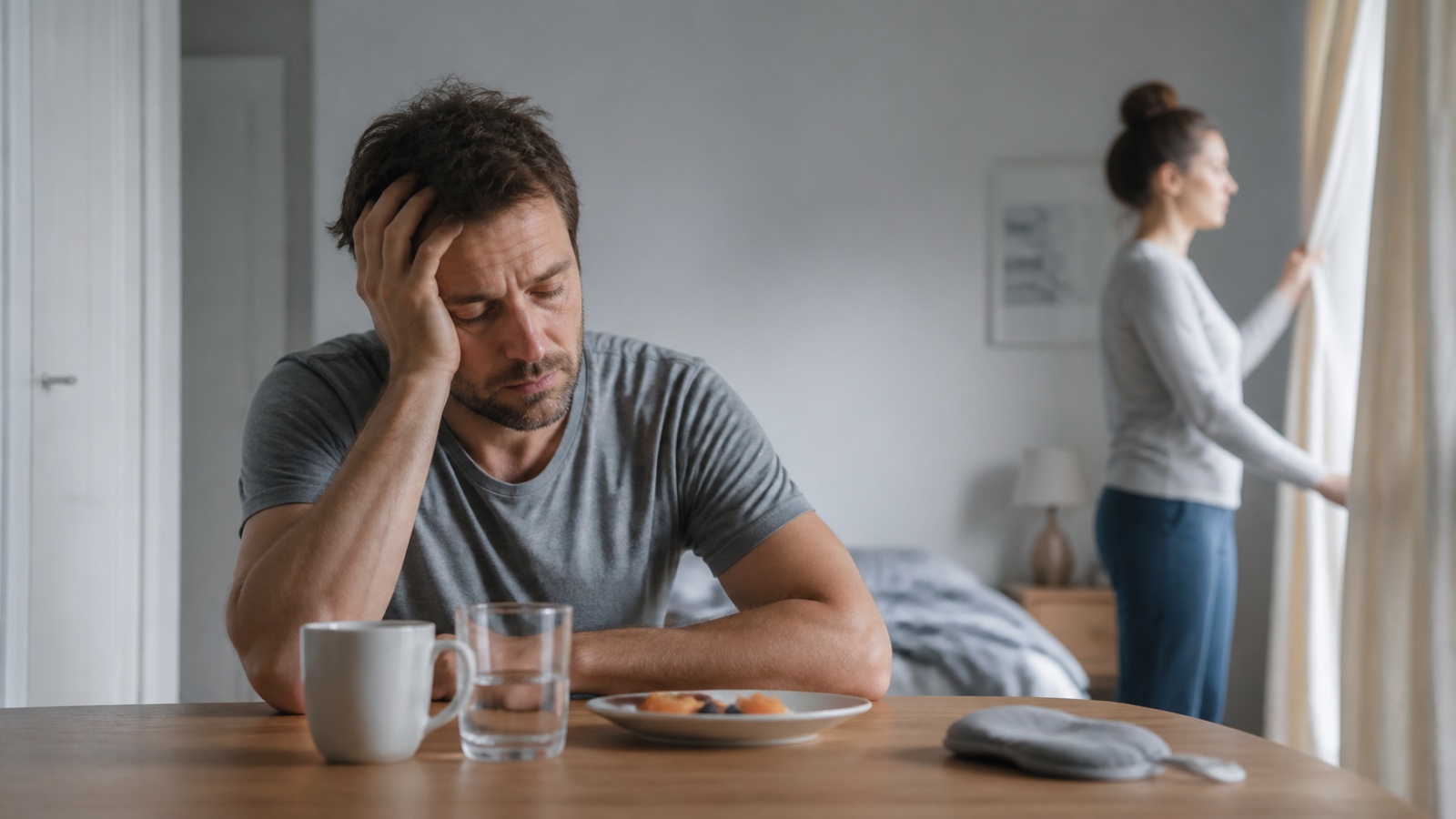
Can sleep apnea look like depression or ADHD?
Why fragmented sleep can change mood, energy, and attention.

Teen depression does not always look like sadness
What changes in mood, interest, and function can look like.
Is tiredness shrinking your teenager’s life?
A free 15-minute intro call can help you decide whether psychiatric care fits the next step.