What if your child gets left out by friends?
What to say when your child feels excluded, how to spot a repeated pattern, and ways to help them build safe connections.
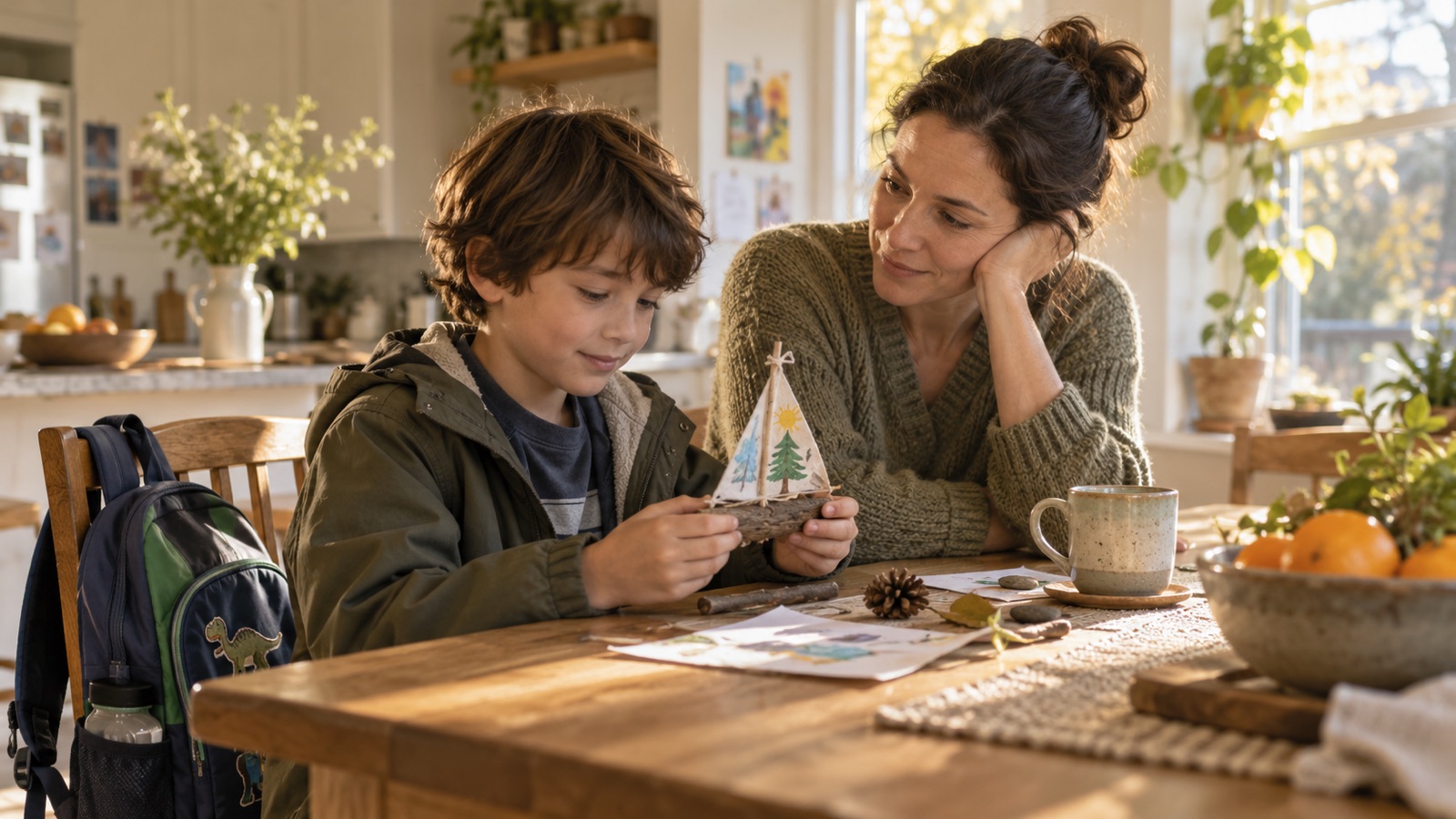
- Believe the hurt before trying to explain why an invitation did not come.
- Ask about the wider pattern at school, including lunch, recess, and safety.
- Help one safe friendship grow instead of forcing entry into a group.
- Bring in school staff or a clinician when exclusion persists or affects daily life.
Your child drops a backpack by the door and says everyone was invited to the birthday party except them. Then they ask for a snack as if they haven’t just handed you a small heartbreak. You want to text another parent, fix the guest list, or explain why those children aren’t worth knowing. First, sit down. Your child may need company before a strategy.
Being left out hurts, and it doesn’t automatically mean a child has no friends or that bullying is happening. A single invitation can involve a small guest list, a changing friendship, or deliberate exclusion. You won’t know which from the first sentence at the door. What you can offer right away is a calm adult who believes the hurt is real.
Start with the feeling, then get the story
Try, “That sounds painful. Thank you for telling me.” Then ask what happened in your child’s own words. Who was there? Has it happened before? Is there someone at school they still feel comfortable with? You don’t need to run a courtroom interview. A few open questions tell you more than “Why didn’t they invite you?” which can sound as if your child must explain their own rejection.
Children may not know why a classmate made a choice. You don’t have to supply a motive either. Saying “They’re jealous” may feel protective, but it can turn a guess into a fact. Saying “It’s no big deal” may make the child stop talking. You can leave room for uncertainty: “We don’t know why they made that choice. We do know it hurt, and we can think about what helps next.”
The American Academy of Pediatrics advises parents to support children through peer problems, listen, and help them consider ways forward. That doesn’t mean an adult must solve every invitation. It means your child shouldn’t have to handle a repeated, painful pattern without support.
One missed invitation is different from a pattern
Ask what school has felt like lately. Does your child usually have someone to sit with, work with, or play with? Are they avoiding lunch or recess? Have there been repeated insults, threats, humiliating posts, or group pressure to leave them out? Those details matter more than the party alone. They help you tell an ordinary disappointment from a situation that may need school involvement.
CDC guidance notes that teachers can notice isolated students and create chances for positive peer connection. If your child is often alone at school, you can contact a teacher or counselor with observations rather than a demand to make everyone friends. For example: “Lunch has been lonely lately, and recess seems upsetting. What are you seeing, and how can we help with peer connection?”
When exclusion is repeated or part of bullying, document what happened and work with the school on a plan. The goal isn’t to force a friendship with a child who has been unkind. It is to make school safe and give your child a real chance to belong. If there are threats or immediate safety concerns, contact the school promptly. You can ask how adults will check whether the plan is working.
I would also ask whether the child has one steady connection anywhere, not only in that particular group. A cousin, neighbor, teammate, or classmate in another room can matter. The child who wasn’t invited to one party hasn’t been rejected by the entire world, even when it feels that way on the ride home.
Help a friendship grow without arranging a verdict
Ask whom your child enjoys spending time with, rather than who is most popular. Could they invite one classmate to draw, ride bikes, play a game, or meet at a library event? A smaller setting can make conversation easier. You can help with the logistics while letting your child choose the person and activity. The CDC encourages parents to support varied peer relationships and safe adult connections.
You may be tempted to message the other child’s parent about the invitation. Pause unless there is a safety issue or a clear pattern that needs adult coordination. A demand for inclusion can put your child in a harder position at school tomorrow. If you do talk with another adult, lead with curiosity and keep your child’s privacy in mind. Your child may want your help, but they may not want their lunch table discussed in a group chat.
Some children need coaching on joining a game, reading social cues, or handling a disagreement. That isn’t blame. It is a skill you can practice together without telling them they caused the exclusion. You might role-play asking, “Is there room in the next round?” and also practice hearing no without treating it as proof they are unwanted. The practice should fit the child’s age and temperament.
If your child says, “No one wants to play,” don’t rush to list everyone who does. You can say, “It felt that way today. Who felt kind to you this week?” That isn’t a trick to prove they’re wrong. It helps you see the full picture together. If they can’t name anyone, you’ve learned that the next step may need more adult help.
If you’re upset yourself, take a minute before making calls. You can be a strong advocate without becoming the loudest person in the hallway. Your child may already feel watched. Ask what kind of help they’d welcome and explain when an adult needs to act for safety. You can’t promise secrecy if someone is being hurt, but you can promise to tell your child what you’re going to do.
Connection outside school counts, too. Your child doesn’t need to win back the exact group that excluded them. A club, sport, neighborhood friend, or cousin may offer a place where they’re known for more than one awkward lunch. It’s okay if rebuilding that sense of belonging takes time.
Watch for the cost of being left out
Check back after the first conversation. Is your child sleeping, eating, and going to school as usual? Do they still enjoy activities and have someone they trust? If sadness, anxiety, withdrawal, or school avoidance persists, talk with their pediatrician or a mental health professional. You don’t have to wait for a crisis before asking for help. If your child talks about self-harm, take it seriously and seek urgent support. In the United States, call or text 988 for a mental health crisis and call 911 for immediate danger.
For tonight, resist the urge to turn the party into a lesson about resilience. Ask your child whether they want to talk more or do something ordinary with you. Then make one small plan together for a connection this week. You can’t guarantee every invitation. You can make sure your child doesn’t face the sting alone, and you can step in when the pattern calls for an adult.
The bottom line: Your child may need company before a strategy. Listen first, learn whether this is one disappointment or a repeated pattern, and help them find a place to belong. In a mental health crisis in the United States, call or text 988.
Sources: AAP, Problems With Peers; CDC, Classroom Social Dynamics; CDC, Improving Social Connectedness.
What should you do when your child is being bullied?
How to listen when your child reports bullying, build a practical safety plan with the school, and know when more support is needed.
How do you help a child adjust to a new school?
How parents can make a new school less overwhelming, build connection with one adult and one peer, and recognize when adjustment needs more support.
How do you help an anxious child without helping anxiety take over?
How parents can validate an anxious child, reduce unhelpful accommodation gradually, and support brave steps without becoming harsh or dismissive.
Want help sorting through what you are noticing?
A free 15-minute intro call can help you decide whether psychiatric care fits the next step.